
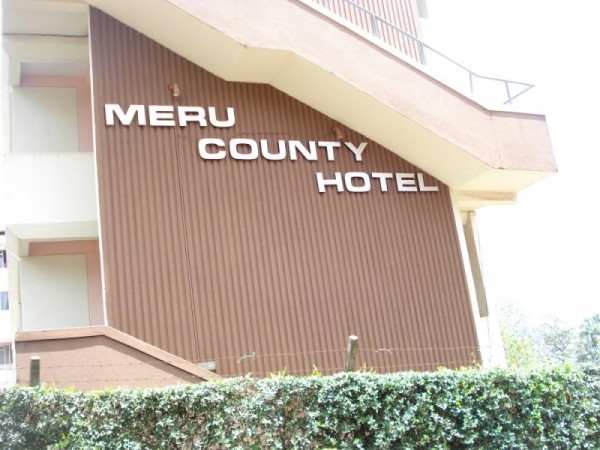
According to figures from the Kenya National Bureau of Statistics (KNBS), accommodation and restaurants contributed 1% to Kenya’s GDP in the first 6 months of 2014. Domestic tourism necessitates the visiting and boarding of various locations within the country. Its development is part of Kenya’s vision 2030 whose goal is to be a prosperous nation with a high quality of life. Most domestic tourists will seek to board in decent but not too expensive hotels in the counties. Compared to the five star hotels, these county hotels would be considered ‘small’. Bankelele takes a look at the state of these small hotels in the country:
This post is inspired by a conversation with Henry who uses his platform Enchanted Lanscapes to try and connect uniquely Kenyan tourist attractions, which don’t fall in the traditional beach & safari package that the country is famous for. Enchanted Landscapes highlights sites like the Koitalel arap Samoei Mausoleum, Wagalla Massacre Site, Kenyatta Cave (where Kenya’s first president once lived), the Jade Sea of the El Molo, the Shimoni Slave Caves, the Stone of Luanda Magere and Koobi Fora where Homo Habilis was discovered.
Our discussion was about the type of hotels found around the towns near such sites. How does one find these hotels, what do they cost, and what are the features they should have?
There are many new hotels in Kenya, with some billed as ‘4 star’ ones under construction in Mandera and Machakos, while towns like Eldoret seem to have a new hotel every year from a marathon winner’s investments. There’s demand for these, as all the hotels in some of these towns get filled to capacity when there are events like motor rallies, rugby, church crusades or large weddings.
The ideal hotel for a budget conscious traveller e.g. an Enchanted landscapes local tourist, or company sales person is one that charges rates of about KES 1,500 ($17) to KES 5,000 ($55) per night.
A good guide of if a hotel is suitable, is to find out if it is often used by tour van drivers or backpackers. The former have vehicles that cost up to KES 6 million ($68,000) that they must guard against damage and petty vandalism that happens in many towns. A hotel slightly on the edge of a town is ideal if it fits the above cost and has a secure parking for resident vehicles. It should also have a decent kitchen, and affordable drinks for a quick dinner and short night.
Some peeves of the hotels


- Some hotel safes, if provided, in rooms are too small. A hotel safe should be able to store a small laptop computer.
- The bathroom systems are untested. There are dozens of varieties of plumbing systems in different hotels, but too often;
(i) some are very complicated to operate
(ii) hot water systems don’t work
(iii) water does not drain properly and leaks all over the floor
- TV’s have very poor selection. Usually it’s one local news channel, CNN or BBC, one movie channel, and 3 soccer channels. Hotels should always have a channel for young kids.
- If the hotel is in town, you often have to put up with very loud music from pubs adjacent, or sometimes from the hotel’s own DJ.
There is generally a marked and greatly appreciated improvement in the services offered by the small hotels today as compared to the yesteryears. This is driven by a Kenyan consumer who now has more purchasing power, and who demands better quality. It is likely that in the long run, the short comings outlined above will be overcome and the economic potential of sites like the Koitalel arap Samoei Mausoleum will be harnessed to the fullest.
<The article was sourced from bankelele.co.ke to read the original article click here>